🛠️ Fluency Class 4 – Problem-Solving & Collaboration
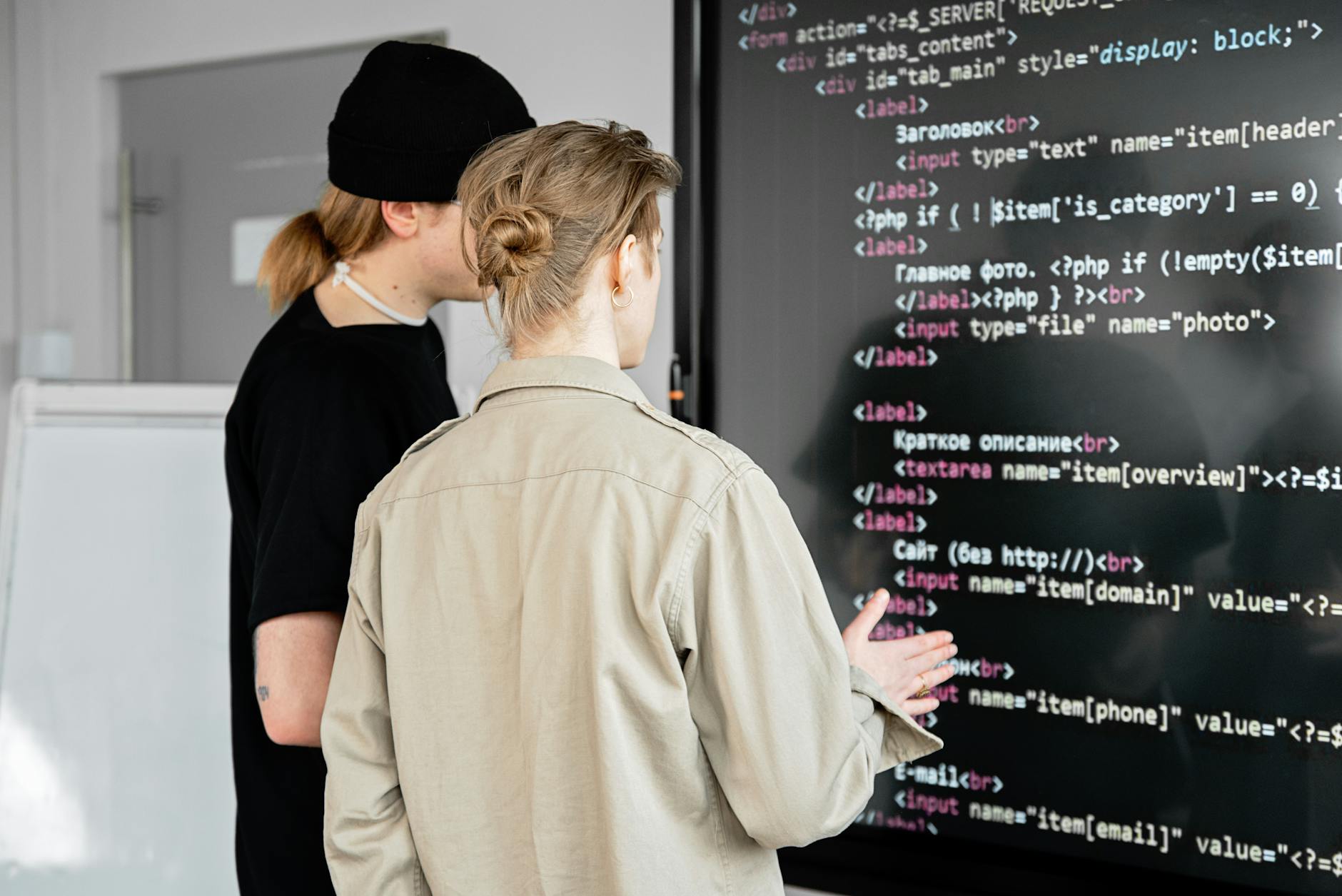
Hands-on workshop for team collaboration and technical troubleshooting
🎯 Goal: Fast-paced exchange about collaboration
How it works: Teacher asks quick question → Student answers in 20-30 seconds → Next question. Keep it moving!
- What's the most common problem you face when collaborating with teammates?
- How do you handle disagreements about technical approaches?
- What makes a good code review comment vs. a bad one?
- When do you ask for help vs. try to figure it out yourself?
- What's your biggest collaboration pet peeve?
📖 Collaboration & Problem-Solving Phrases
| Phrase | When to use it |
|---|---|
| Let's brainstorm some solutions | "The API is slow. Let's brainstorm some solutions." |
| What if we tried... | "What if we tried caching the results?" |
| I see your point, but... | "I see your point, but that might break backwards compatibility" |
| Could you walk me through... | "Could you walk me through how this works?" |
| Let's divide this up | "This is a big task. Let's divide this up." |
| I'm stuck on... can you help? | "I'm stuck on this regex. Can you help?" |
Do ALL 4 scenarios. Alternate who starts. Use the vocabulary!
Scenario 1: Code Review Disagreement (4 min)
Situation: You submitted a PR. Your teammate says your approach is "too complicated." You disagree - it's more maintainable.
Practice: Defend your approach politely, listen to feedback, find a compromise.
Scenario 2: Asking for Help Without Looking Incompetent (4 min)
Situation: You've been stuck on a bug for 2 hours. You need help but don't want to seem like you don't know what you're doing.
Practice: Ask for help effectively. Explain what you've tried. Show you did your homework.
Scenario 3: Dividing Up a Large Feature (4 min)
Situation: Your team needs to build a new dashboard with 5 components. You're leading the task division.
Practice: Suggest how to split the work. Negotiate who does what. Consider skills and preferences.
Scenario 4: Explaining a Technical Problem to Non-Technical PM (4 min)
Situation: The PM wants a feature "by Friday." You know it's technically complex and will take 2 weeks minimum.
Practice: Explain why it takes longer. Use analogies if needed. Offer alternatives.
Teacher and student work together to solve this technical collaboration challenge:
The Challenge:
Your team is split on a major decision: Should you refactor the entire authentication system now (2 weeks of work, everything stops) OR add a new feature on top of the messy existing code and refactor later?
You need to:
- Present both sides of the argument
- Consider different perspectives (dev, PM, users)
- Propose a solution or compromise
- Explain how you'd communicate this to the team
🎙️ How this works:
Student: Starts building the answer. "I think we should consider..."
Teacher: Helps them structure it. "Good point. Now what about the timeline?"
Together: Build a complete, professional response over 20 minutes. Teacher guides, student leads.
🎯 Reflect and commit:
- Which scenario today felt most relevant to your actual work?
- What phrase will you try using this week?
- What's one collaboration habit you want to improve?
- When's the next time you'll need these skills? (Code review? Standup? Planning meeting?)
Write about a real collaboration challenge from your work (200-250 words):
Include:
- What was the problem or disagreement?
- What different perspectives were involved?
- How did you (or how would you) handle it?
- What did you learn about collaboration?
- Use at least 3 phrases from today's vocabulary